Mould has been a very frequent topic in my consults of late, especially recently with the heavy rain followed by warmer days that we've been experiencing in Melbourne spring - ideal mould growing conditions! But this is not a new issue with mould and mycotoxins being a researched and recognised long term health issue.
Australian environmental health research has shown that indoor dampness, fungal growth, and secondary fungal metabolites (mycotoxins) are significant public health issues, with studies estimating that one-third to one-half of Australian residential properties are impacted by mould.

Renters are disproportionately affected due to structural maintenance delays, poor insulation, and a lack of thermal efficiency standards in older homes. However newer homes built for high energy efficiency are also problematic with sealed building envelopes sometimes contributing to build up of condensation behind drywall and under carpets etc.
However it's not just new mould growth or exposure that can be problematic, with some clients showing elevated mycotoxin levels with past exposure many years ago.
What is Mould, and why can it be problematic?
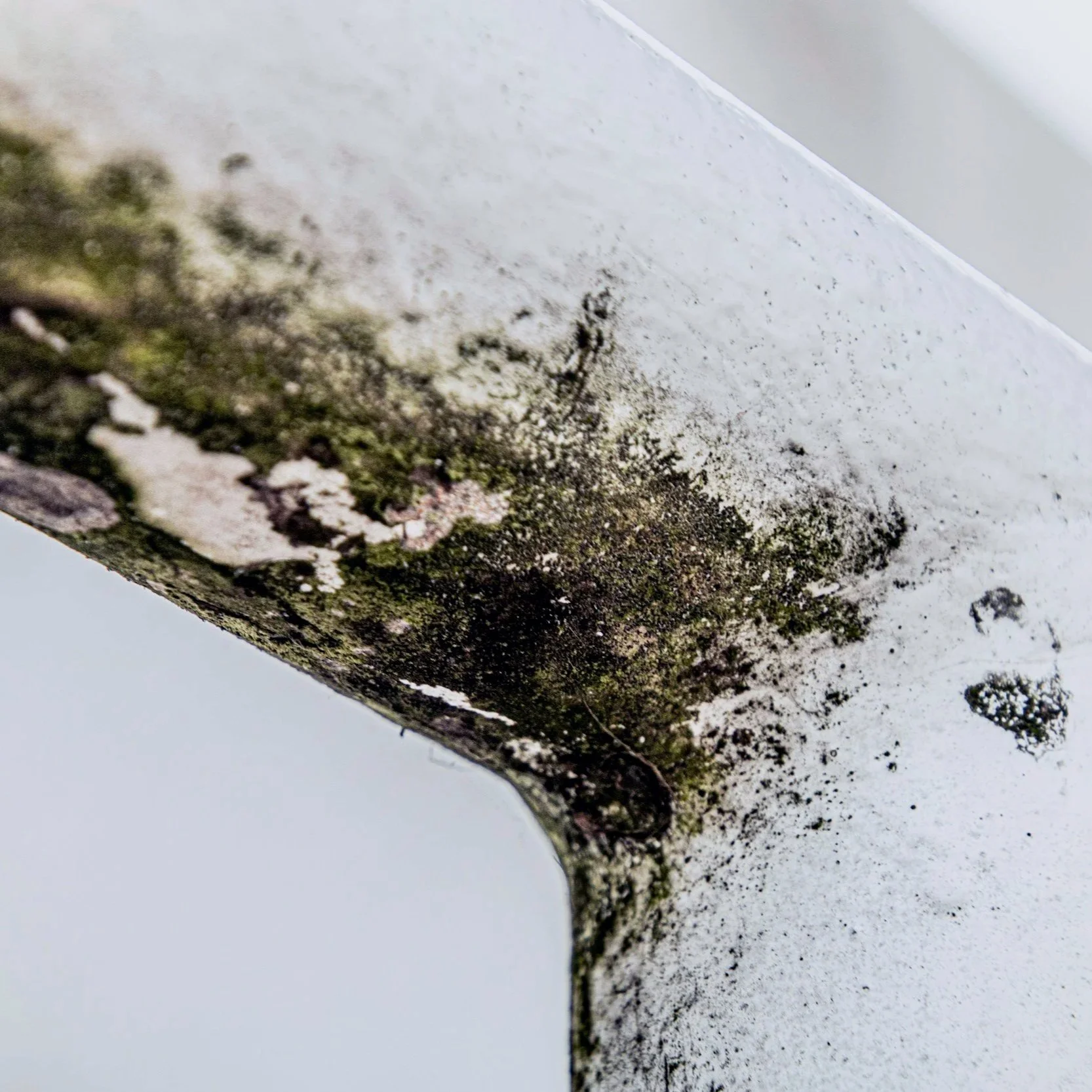
Mould is a type of fungus that thrives in damp and poorly ventilated environments. It can grow on many surfaces, including walls, ceilings, carpets, and furniture. While some moulds are harmless, others can produce mycotoxins, which are harmful substances. Mycotoxins enter your body's cells and can be difficult to detoxify effectively without support for some people, meaning they can linger and cause trouble for a long time after mould exposure is over.
Health issues associated with mould exposure can vary widely between people depending on genetics and other predisposing health issues. You can have multiple people living (or working) in a mould affected building with no health issues, but one person who is quite severely impacted. For some people who have difficulty clearing mycotoxins they can progress to CIRS (Chronic Inflammatory Response Syndrome) which is a progressive, multi-system chronic immune condition.
Mycotoxins have been linked with significant health issues including:
Respiratory problems: Mycotoxins can irritate the respiratory tract, leading to symptoms like coughing, wheezing, and difficulty breathing.
Neurological disorders: Some mycotoxins can affect the nervous system, leading to learning difficulties, behavioural problems, and cognitive impairment, brain fog, fatigue, headaches and neuroinflammation.
Immune system dysfunction: Mycotoxins can weaken the immune system, making your more susceptible to infections.
Gastrointestinal problems: Mycotoxins can cause digestive issues like SIBO, nausea, vomiting, and diarrhoea.
Kidney and liver damage: Long-term exposure to mycotoxins can damage the kidneys and liver.
Hormone imbalances: Mycotoxins are endocrine disruptors, dysregulate the HPA axis and impact liver detoxification and mitochondrial function. This can lead or contribute to symptoms of estrogen dominance and severe PMS or PMDD symptoms.
Mycotoxins and Kids
Adults aren't the only ones susceptible to mycotoxin illness, in fact often kids are even more susceptible. If your child has a recurrent stuffy nose, cough or recurrent illnesses then I am definitely thinking about mould. For some children the impacts can progress to a CIRS-like immune mediated condition known as Paediatric Acute-Onset Neuropsychiatric Syndrome (PANS). If you've never heard of PANS before then head to this article to learn more.
How minimise mycotoxin exposure in your home?
Control Moisture: Fix any leaks, use dehumidifiers, and ventilate damp areas to prevent mould growth.
Regular Cleaning: Clean mould and mildew promptly. Bleach does not kill mould spores, only bleaches them. Tea tree oil, clove oil and white vinegar can be effective but need to be used carefully (see recipe below). Never dry brush mould as that will just spread the spores further. The only completely effective way to kill mould is to remove all affected areas.
Proper Ventilation: Ensure good air circulation in your home by opening windows daily. Consider using air filters in bedrooms to remove mould spores and other allergens from the air.
Regular Inspection: Check for signs of mould growth regularly, especially in damp areas.
Remediation: Complete removal of all mould impacted surfaces and furnishings is the only way to be completely protected from mycotoxins.
DIY Mould Cleaner Recipe
1 cup White vinegar: Contains acetic acid kills up to 82% of mould species)
20-40 drops Clove oil: Contains eugenol, which targets and destroys mould spores.
20 - 40 drops Tea tree oil: Provides natural antifungal properties.
1-2 cups Water to dilute
One small squirt of natural dish soap or castile soap to help the oils mix

How to Use the Spray
Mix all ingredients into a clean spray bottle. Shake well before every use.
Apply the solution directly onto the affected surface or grout until it is well-soaked. Please do a test section first if you are worried about colour changes of your tiles etc.
Wait for 20 to 60 minutes (or up to 24 hours depending on the concentration and severity of the mould) to let the active compounds break down the spores.
Scrub the area with a brush or sponge, then rinse or wipe clean with a warm, damp cloth.
Disturbing mould can release irritating spores into the air so wearing gloves and a mask is recommended, especially for those with asthma or who are sensitive to mould.
If you have symptoms of mould illness and known mould in your house then any significant improvement is unlikely until the mould has been completely remediated.
If you suspect that mould and mycotoxins could be impacting your health then book a free discovery call so we can chat about support, testing and treatment options.